Mineral Desiccants vs. Silica Gel: Which One Is Better for You?3
Composition and Raw Materials;
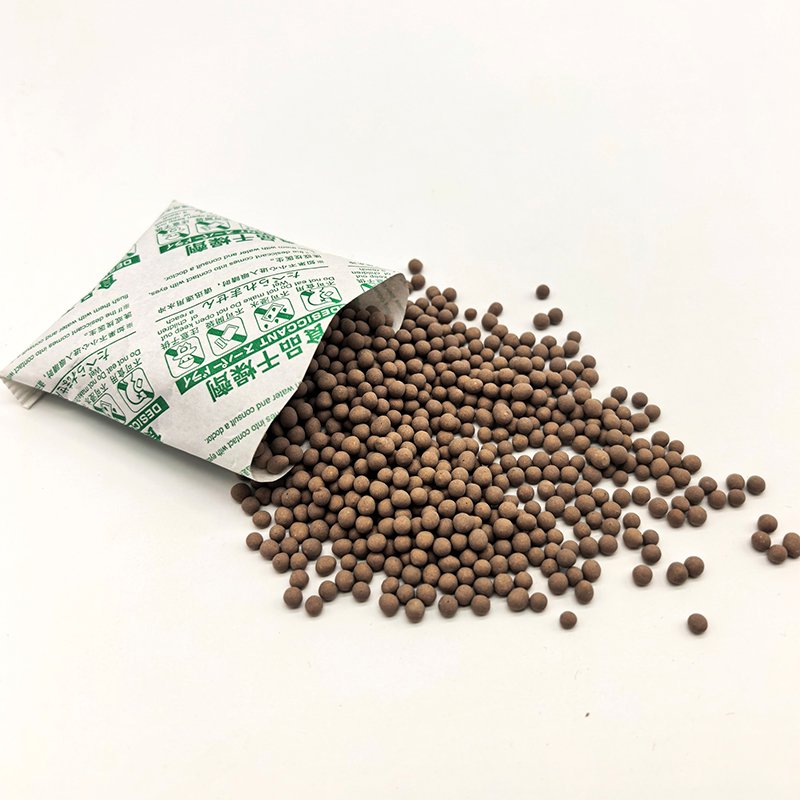
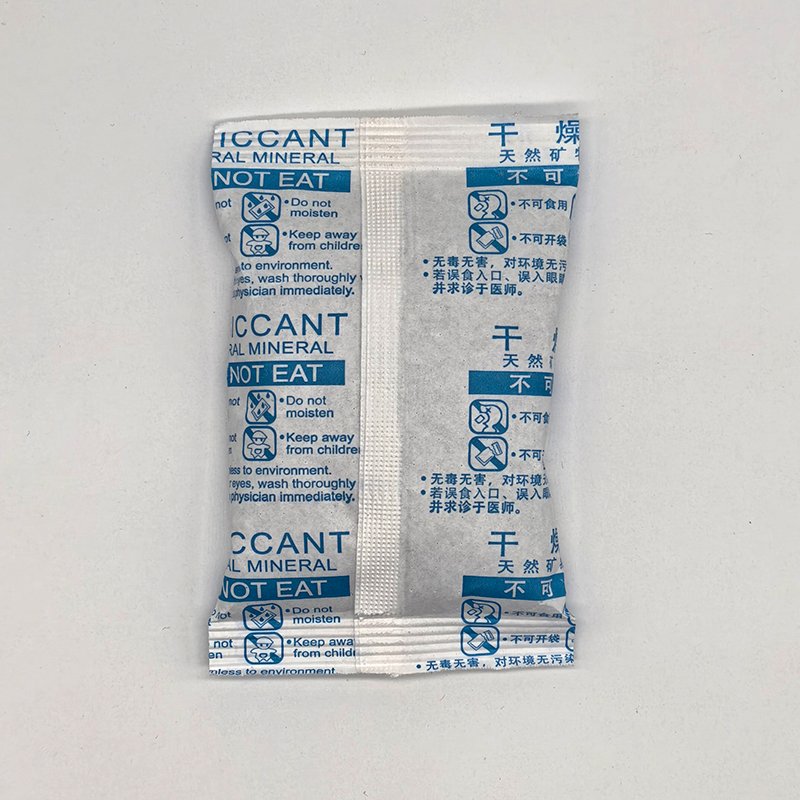
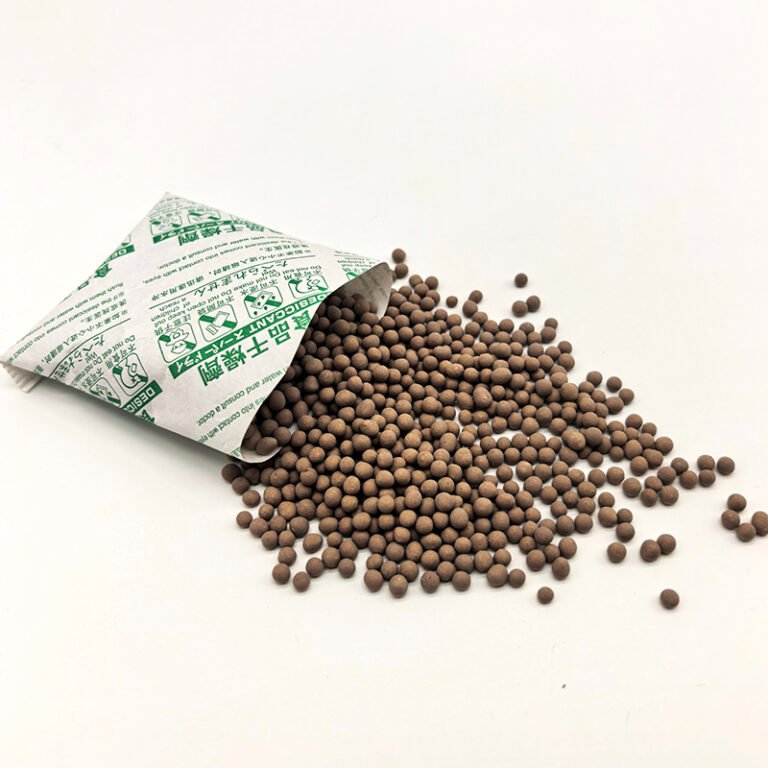
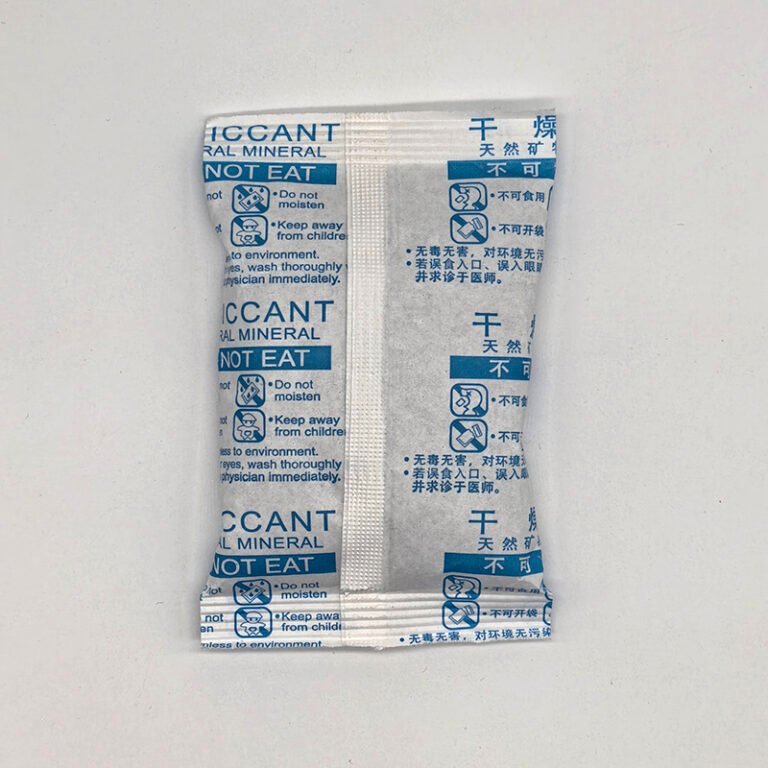
Mineral Desiccants: Primarily composed of natural minerals such as montmorillonite, attapulgite, or activated clay, these absorb moisture through physical adsorption. Their raw materials are naturally sourced and require no complex chemical processing.
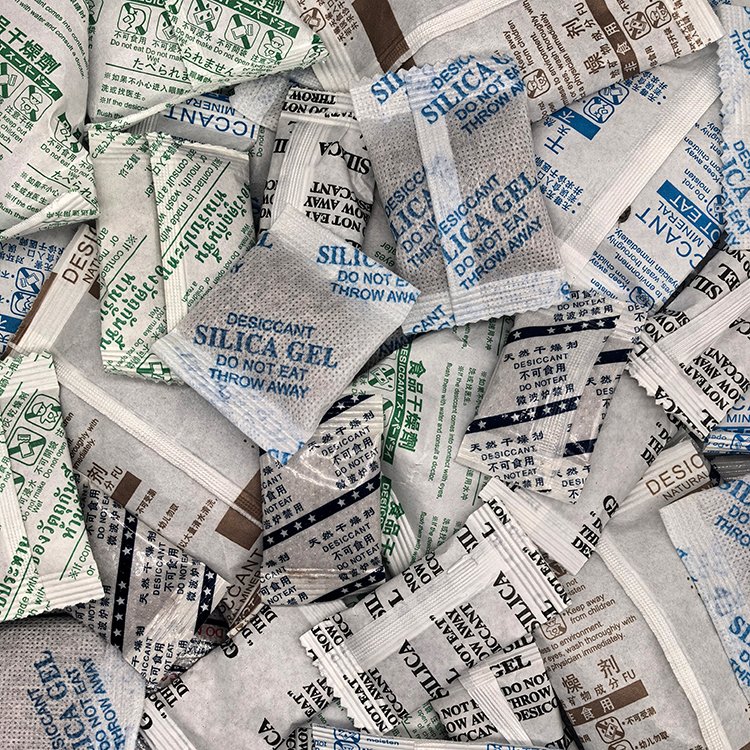
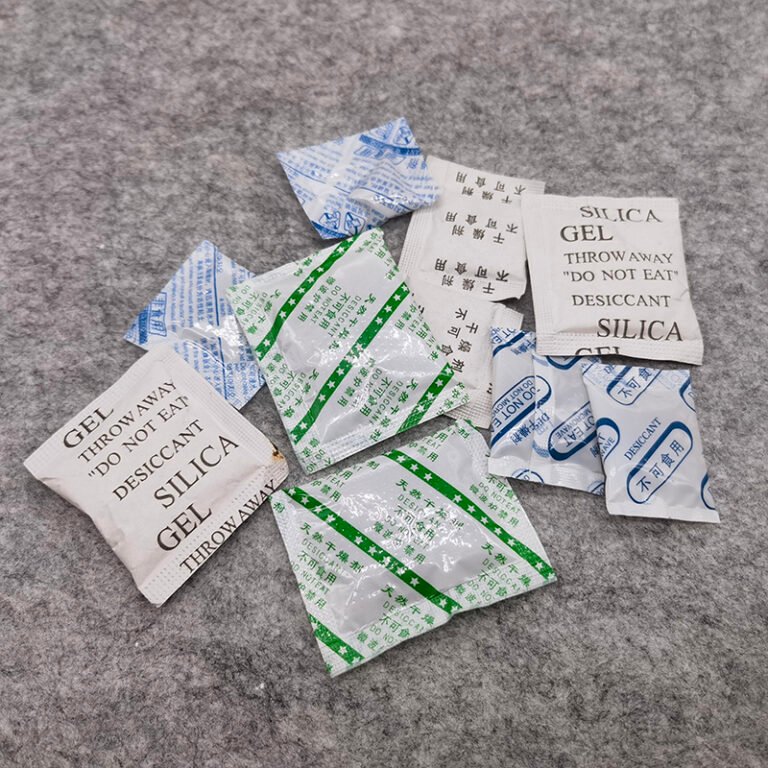
Silica Gel Desiccants: With silicon dioxide (SiO₂) as the core component, produced by reacting sodium silicate with sulfuric acid. This highly active synthetic material exhibits stable chemical properties
Stability;
Silica gel desiccants maintain their shape after absorption and can be reheated for reuse, withstanding high-temperature environments. Commonly used in precision instruments, military equipment, electronics, floral preservation, food packaging, and similar industries.
Mutun mineral desiccants may expand upon moisture absorption but retain overall structural stability and are non-regenerative. Typically employed for moisture prevention in food packaging, clothing storage, shoe cabinets, and formaldehyde mitigation.
Moisture Absorption Rate
Silica gel up to 30% moisture absorption at 30°C in high-humidity environments, with sustained absorption performance.
Mineral typically most effectively below 50% humidity, offering 1.5-2 times the absorption rate of silica gel. Their efficacy diminishes in higher humidity conditions.
Environmental Friendliness and Safety
Silica gel requires industrial recycling for environmental sustainability. Its stable chemical properties pose no harm to the environment.
Mineral desiccants use natural ores as raw materials, offering superior environmental credentials as they are naturally biodegradable.
Safety:
Both are essentially non-toxic. Silica gel can be expelled through the digestive system if ingested accidentally. Mineral desiccants containing calcium chloride additives may cause minor corrosion to metals.
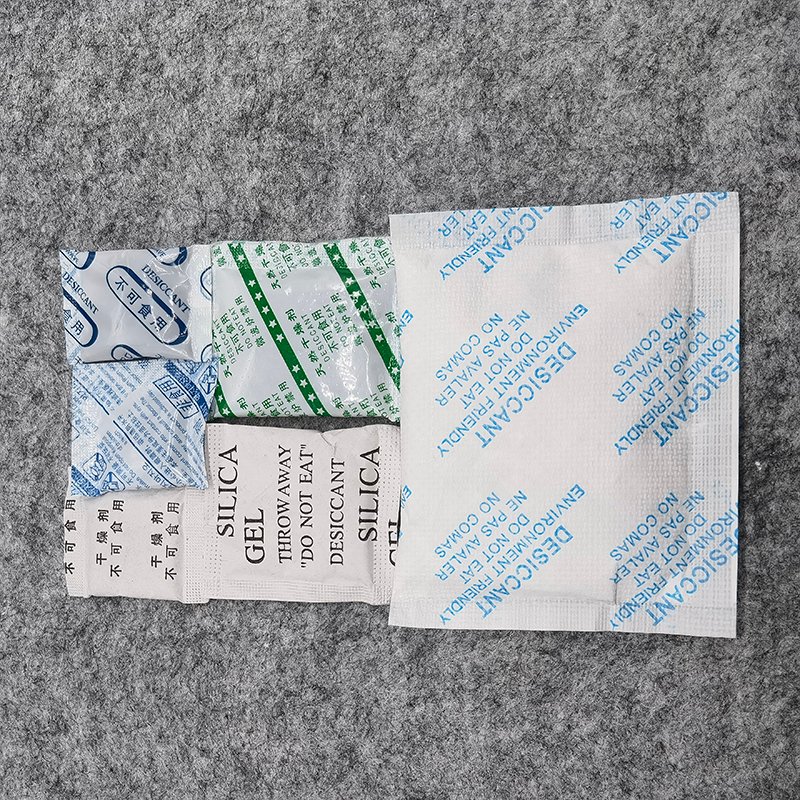
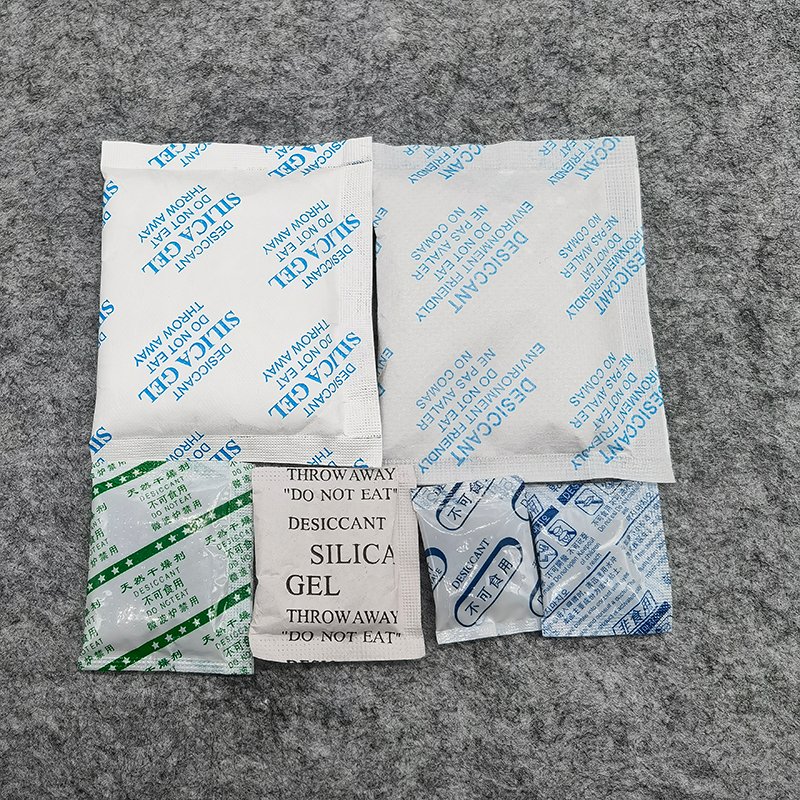
Desiccants and silica gel are increasingly prevalent across various industries, representing the two most common desiccant types currently available.
Application Domain Comparison
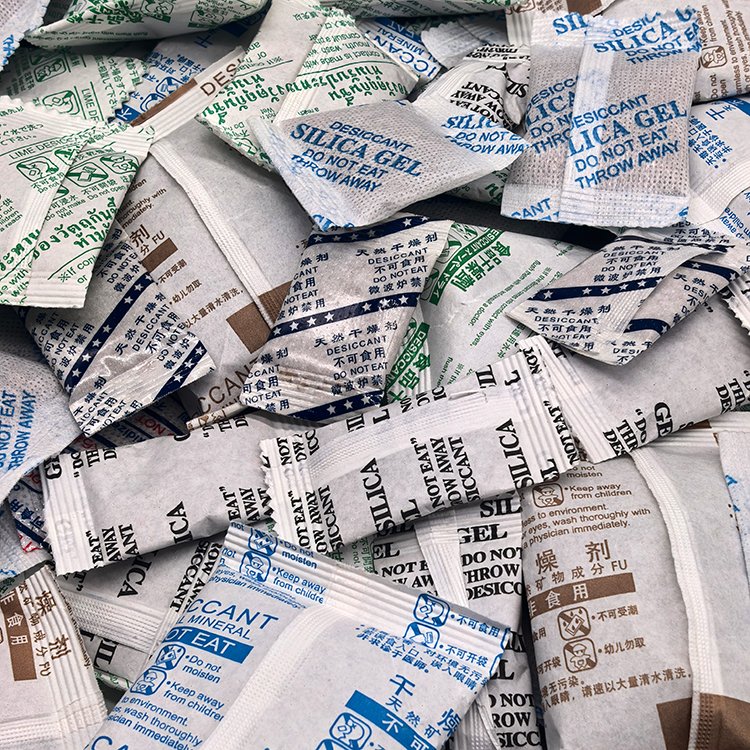
Silica Gel Desiccant: Widely used in the storage and transportation of instruments, equipment, leather goods, footwear, textiles, food, and pharmaceuticals to control relative humidity, preventing moisture damage, rust, and mold growth.
Particularly suitable for precision instruments, electronics, military equipment, and other applications demanding stringent humidity control.
Mineral Desiccants: Suitable for products that are not oil-sealed or vapor-phase preserved, such as optical instruments, medical supplies, food packaging, and military/civilian products requiring dry-air preservation.
Also widely used in furniture, shipping containers, warehouses, storage rooms, books/archives, mechanical components, and similar scenarios.
So, which performs better—mineral or silica gel desiccants?
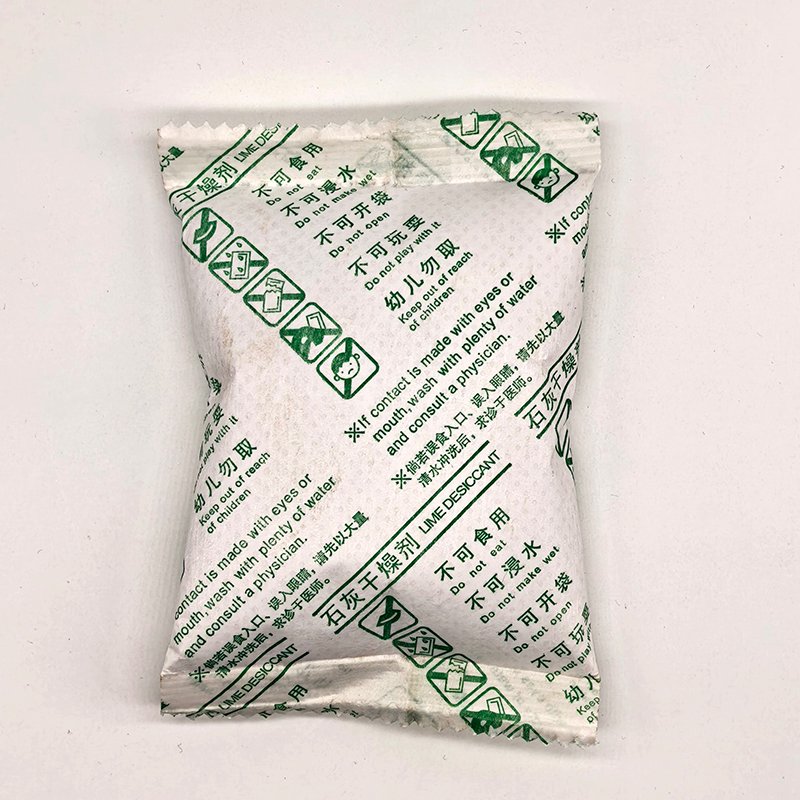
Let’s explore mineral desiccants:
Mutun Desiccant is primarily composed of natural minerals, functioning by adsorbing moisture from the air to achieve drying.
natural, eco-friendly, and non-toxic properties, widely used in food, pharmaceuticals, and other industries.
have a moisture absorption rate of approximately 18%-25% and require higher-humidity environments to be effective.
Next, let’s examine silica gel desiccants:
Silica gel is silica dioxide. They exhibit superior moisture absorption compared to, functioning effectively even at lower humidity levels. They do not clump and provide sustained, reliable drying performance.
Additionally, silica gel can achieve selective moisture absorption by controlling pore size, making it widely applicable in specialized fields. However, their cost is slightly higher than that of.
Overall, both mineral desiccants and silica gel have their respective advantages and disadvantages. The choice between them should be determined based on the specific application scenario and requirements.
If the items requiring drying have low humidity sensitivity or are used in low-humidity environments, can adequately meet the needs. Conversely, if sustained and effective drying is required, or if the items are used in high-humidity conditions, silica gel is the superior choice.