Clay Desiccant: The Natural Moisture Absorber in Your Packaging
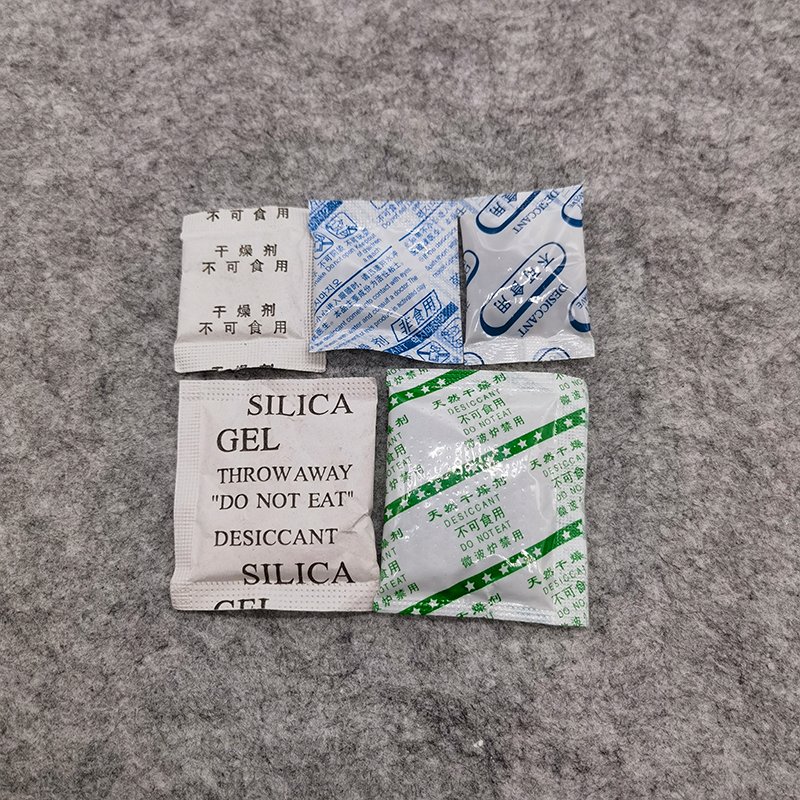
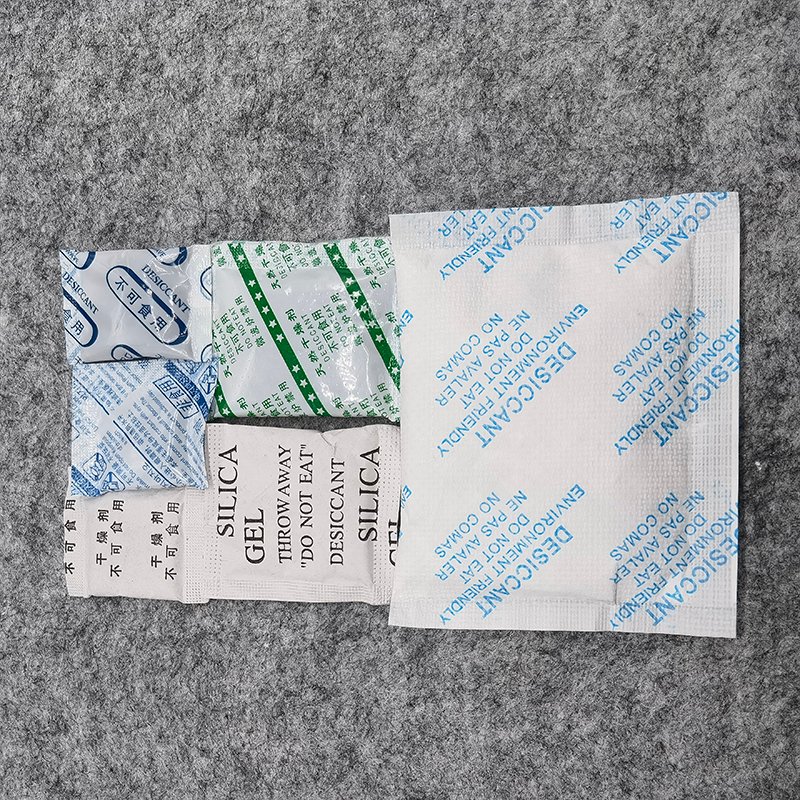
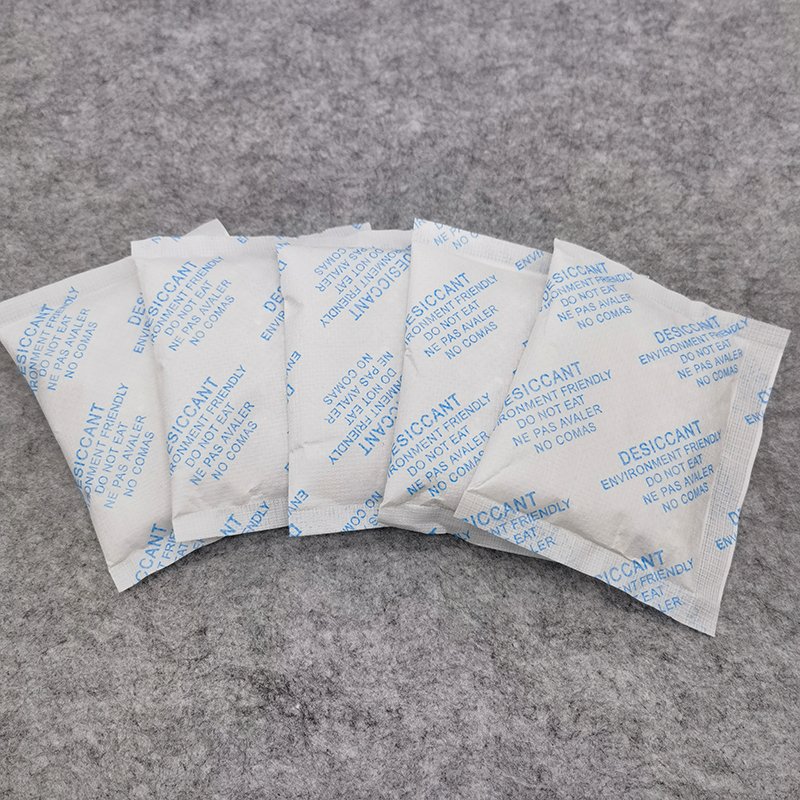
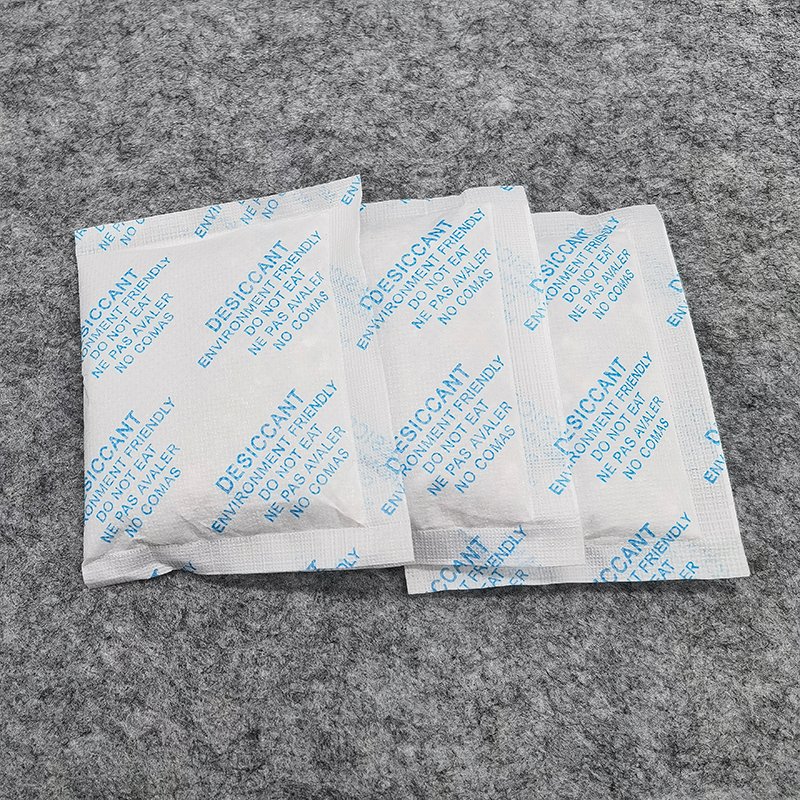
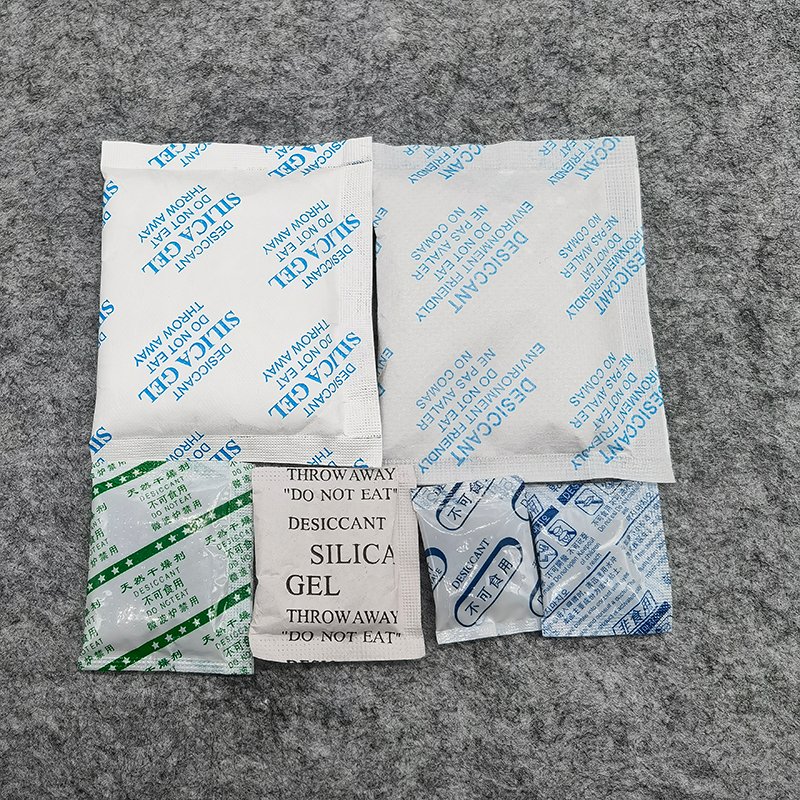
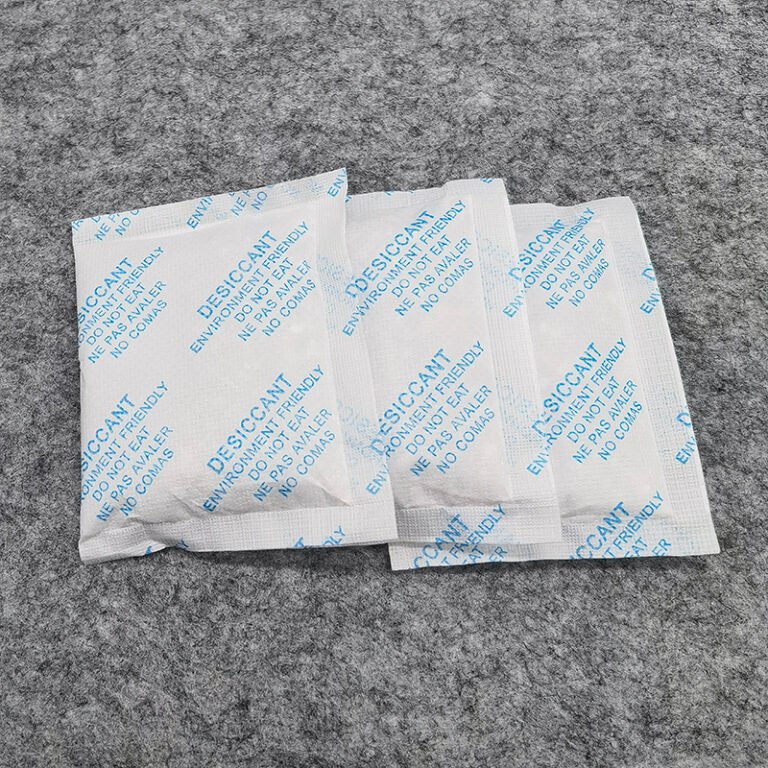
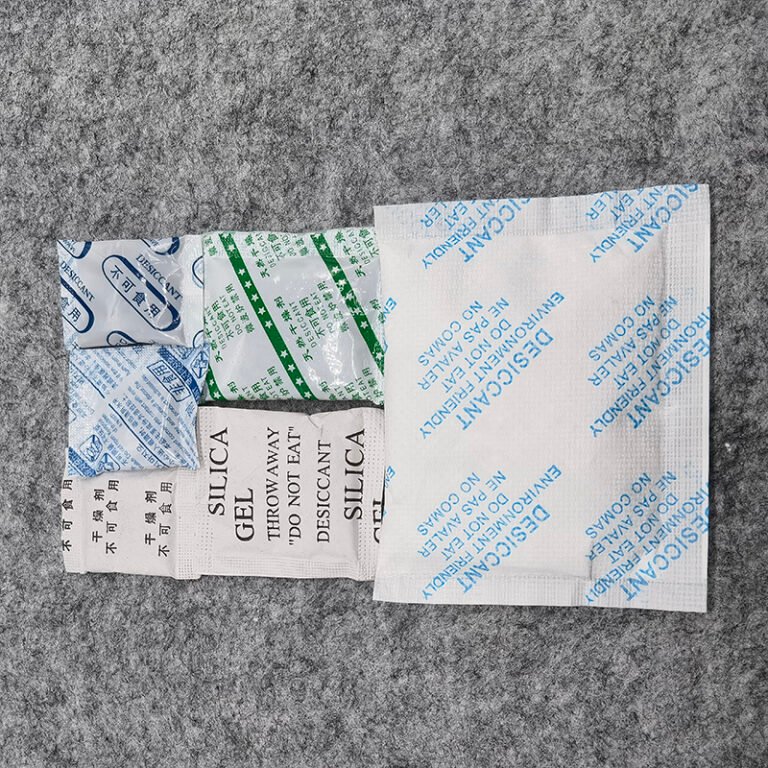
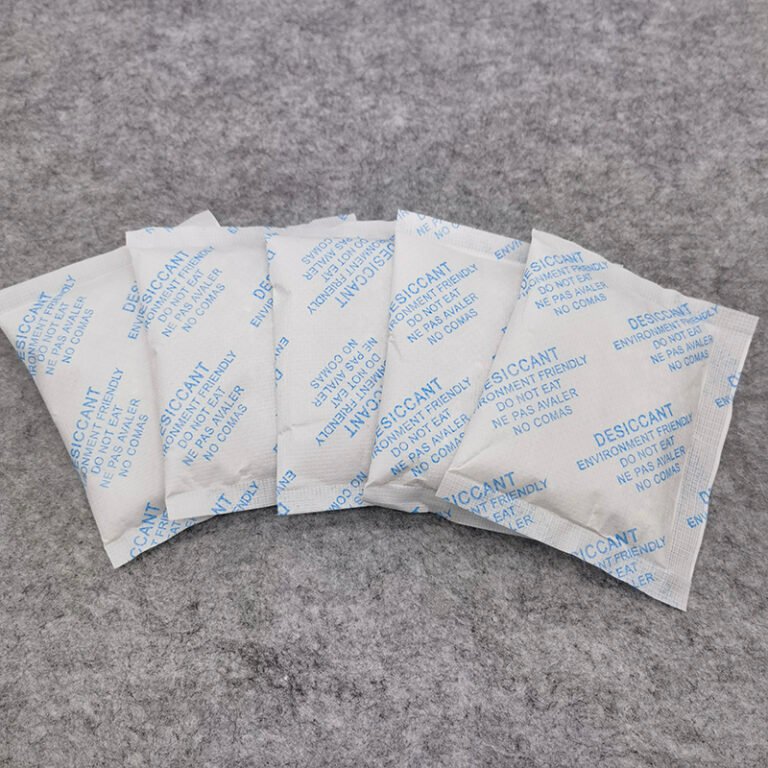
You’ve likely noticed small packets filled with hard, beige, or grayish granules inside shoeboxes, leather goods, or some electronics packaging. Unlike the translucent beads found in medicine bottles, these are often clay desiccants—a natural, economical, and widely used moisture absorber.
Clay Desiccant: The Eco-Friendly Workhorse
Clay desiccant is primarily made from natural montmorillonite, a mineral that absorbs moisture through physical adsorption. Its appearance changes noticeably as it works: starting as hard, gritty granules and gradually turning into softer, crumbly clumps as it takes on water.
While its moisture absorption capacity (typically around 20–25% of its own weight) is moderate compared to some synthetic alternatives, clay desiccant is valued for being:
- Non-toxic and biodegradable, making it an environmentally friendly choice.
- Chemically inert and safe to use alongside a wide range of products.
- Cost-effective, which explains its frequent use in bulk packaging and industrial applications.
You’ll commonly find it protecting items like shoes, handbags, sporting goods, and electronic components during storage and shipping. Although generally regarded as low-risk, it’s still not intended for consumption and should be kept away from young children to prevent any chance of choking or ingestion.
Once saturated, clay desiccant is usually disposed of and replaced, as regenerating it requires professional heating equipment and is often less practical compared to reactivating silica gel at home.
In short, clay desiccant serves as a reliable, natural, and economical moisture guard—especially suited for protecting everyday consumer goods during their journey to you.