Chemical Crystal Desiccant
Using Mineral Desiccants to Prevent Moisture-Induced Caking in Chemical Crystals
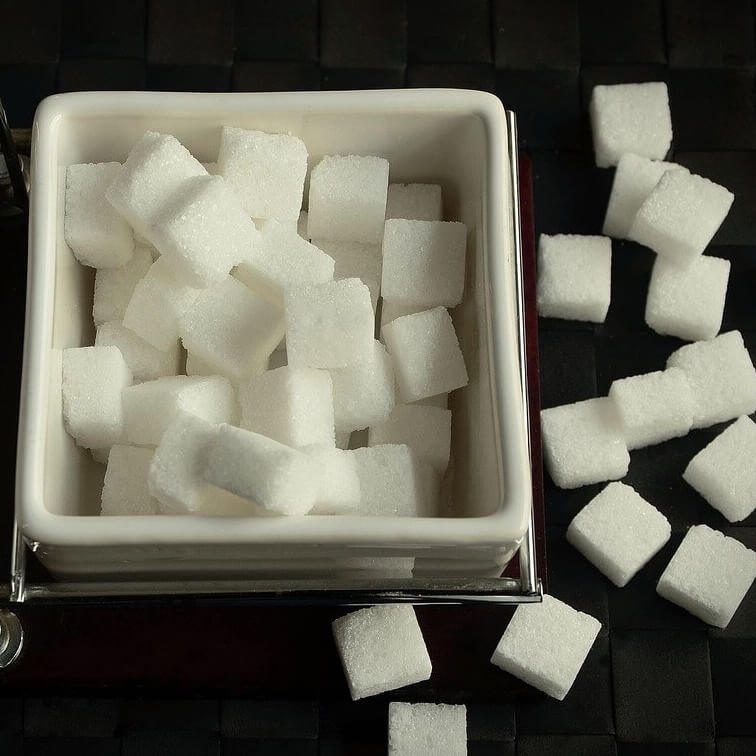
In the chemical industry, many crystalline products exhibit strong hygroscopicity. Exposure to ambient humidity causes them to absorb moisture, leading to caking.
This occurs when the crystal surface partially dissolves and recrystallizes into solid lumps, severely impacting product quality and process efficiency.
Caked crystals not only lose flowability but also undergo changes in solubility and reactivity, increasing losses and costs during processing.
Muton mineral desiccants (primarily silica gel) provide highly effective passive protection by actively adsorbing water vapor within sealed containers, bags, or drums, continuously maintaining a low-humidity environment.
Best Practice Guidelines:
Select inert desiccants with high moisture absorption capacity (e.g., silica gel) that can be placed in direct contact with chemicals.

Calculate usage precisely based on container volume, material sensitivity, and storage duration.

Integrate with moisture-proof packaging to establish a comprehensive protection system.
Implementing a desiccant strategy represents a cost-effective solution for ensuring chemical crystals maintain free-flowing properties, stability, and efficacy throughout the entire lifecycle from production to final use.