Benefits of Using Montmorillonite Desiccant in the Rubber Industry1
When using montmorillonite desiccant in the rubber industry, several crucial precautions must be taken to ensure safety, optimal performance, and the quality of rubber products. Here are the key points to remember:

1. Prevent Accidental Ingestion
Montmorillonite desiccant typically comes in powder or granular form, and its appearance may resemble that of certain food items or medications. In rubber production facilities, it is essential to store the desiccant properly, keeping it separate from food, medicines, and other consumables. This helps prevent workers or others from accidentally ingesting it. Ingesting montmorillonite desiccant can have adverse effects on the body, and immediate medical attention should be sought if such an incident occurs.
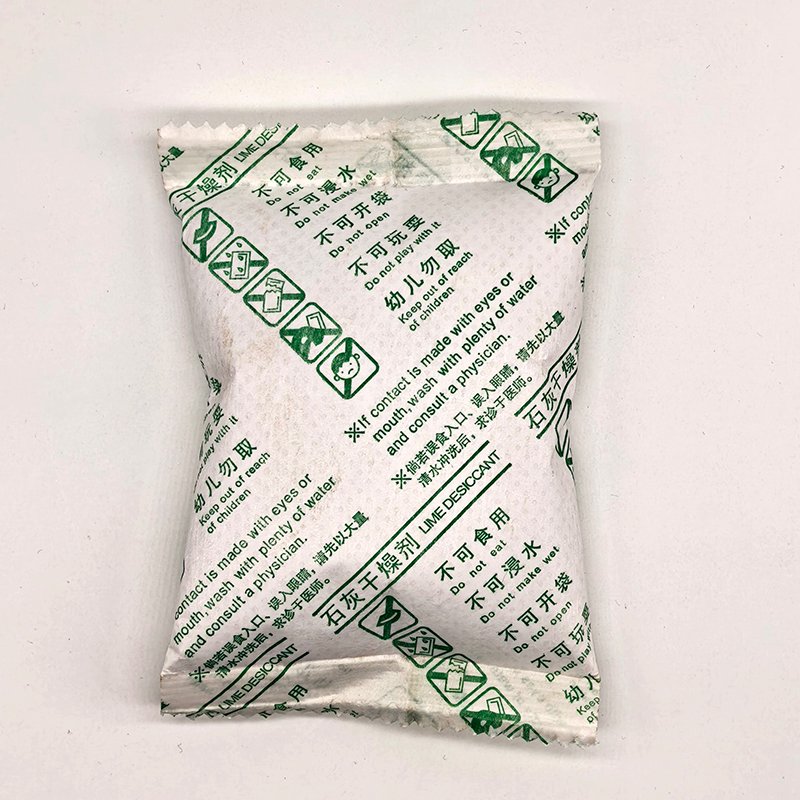
2. Avoid Direct Contact with Water
Although montmorillonite desiccant is designed to absorb moisture, it should be kept away from large volumes of water during use. Direct contact with substantial amounts of water can cause the desiccant to rapidly absorb water, swell, and potentially rupture, releasing the montmorillonite powder inside. This not only compromises the desiccant’s effectiveness but can also pollute the surrounding environment. Moreover, if the powder becomes airborne, it may irritate operators’ respiratory tracts.
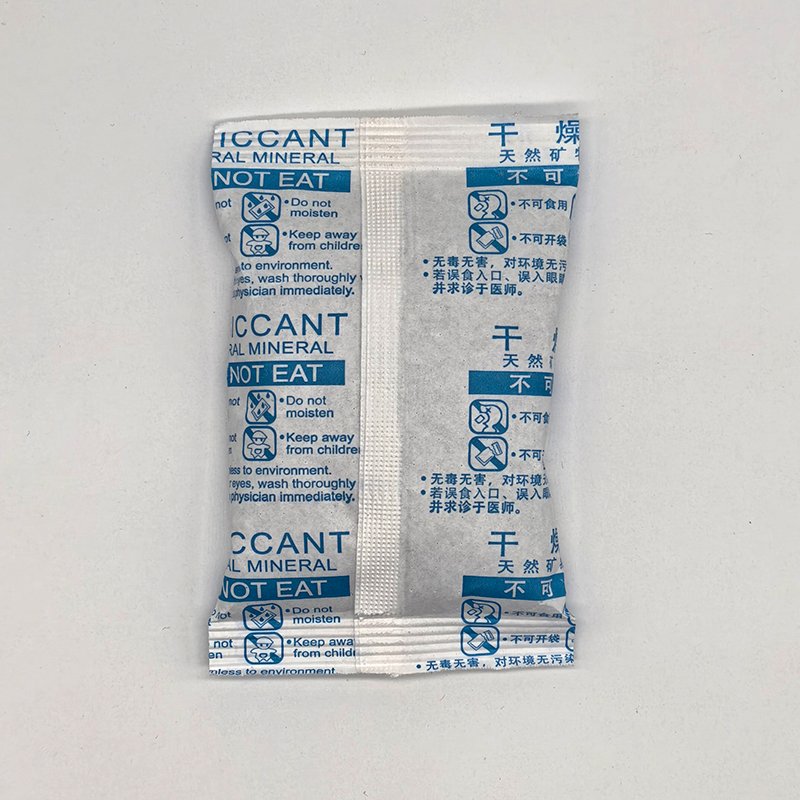
3. Control the Usage Amount
When adding montmorillonite desiccant to rubber, it is essential to determine the appropriate amount based on the type of rubber, the production process, and the desired level of dryness. Using too little desiccant may fail to achieve the expected drying effect, leading to issues such as moisture absorption and aging of rubber products during storage or use. Conversely, excessive use can negatively affect the rubber’s properties, such as reducing its strength and elasticity. Therefore, it is necessary to determine the correct amount through experiments or based on experience.

4. Pay Attention to Storage Conditions
Montmorillonite desiccant should be stored in a dry and well-ventilated environment, away from direct sunlight and high-temperature, high-humidity conditions. Improper storage can cause the desiccant to absorb moisture from the air prematurely, diminishing its moisture-absorbing capacity. Additionally, during storage, it is important to keep the montmorillonite desiccant separate from other chemicals to prevent chemical reactions that could affect its performance.

5. Consider Compatibility with Other Additives
Rubber formulations typically contain additives such as vulcanizing agents, accelerators, and antioxidants. When using montmorillonite desiccant, its compatibility with these additives must be carefully considered. Interactions between the desiccant and certain additives could affect the rubber’s vulcanization and aging properties. Therefore, comprehensive experiments and tests should be conducted when selecting montmorillonite desiccant to ensure its compatibility with other additives in the rubber formulation.

By adhering to these precautions, rubber manufacturers can maximize the benefits of montmorillonite desiccant while minimizing potential risks and ensuring the production of high-quality rubber products.