Why Is Clay Desiccant the Ultimate Shield for Your Sensitive Electronics?2
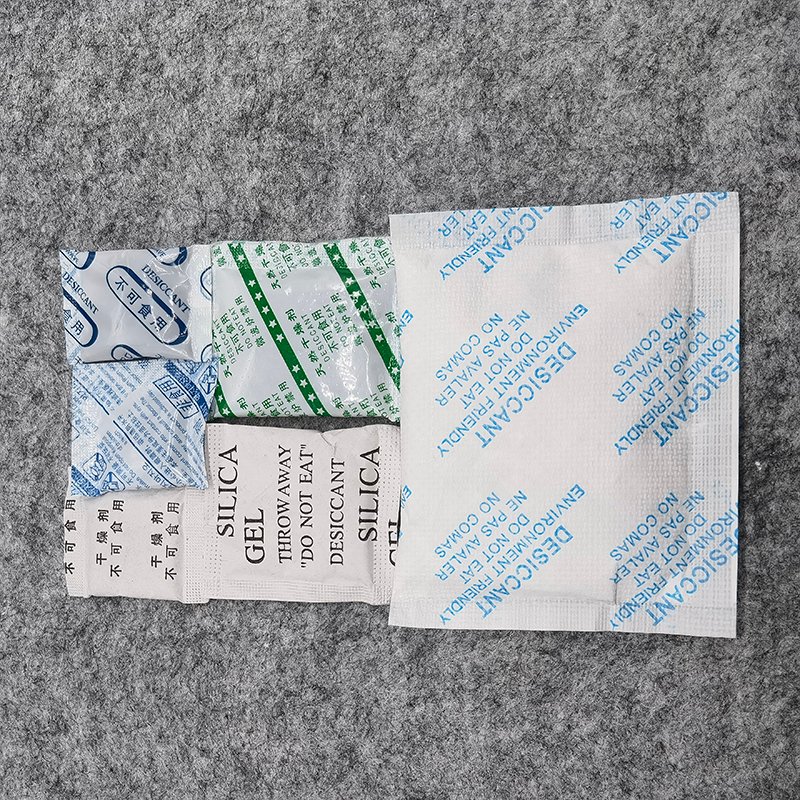
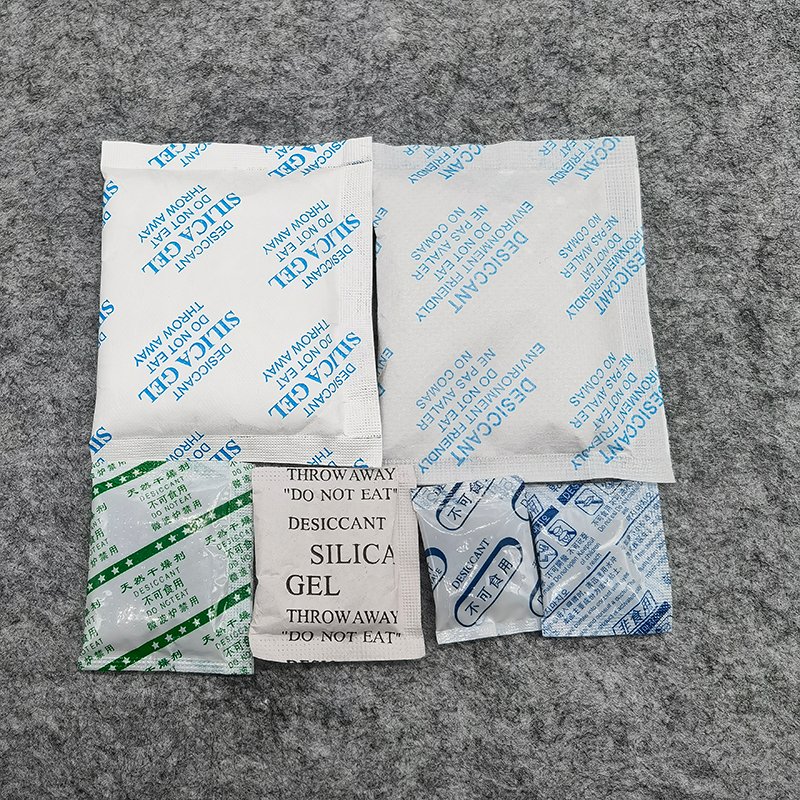
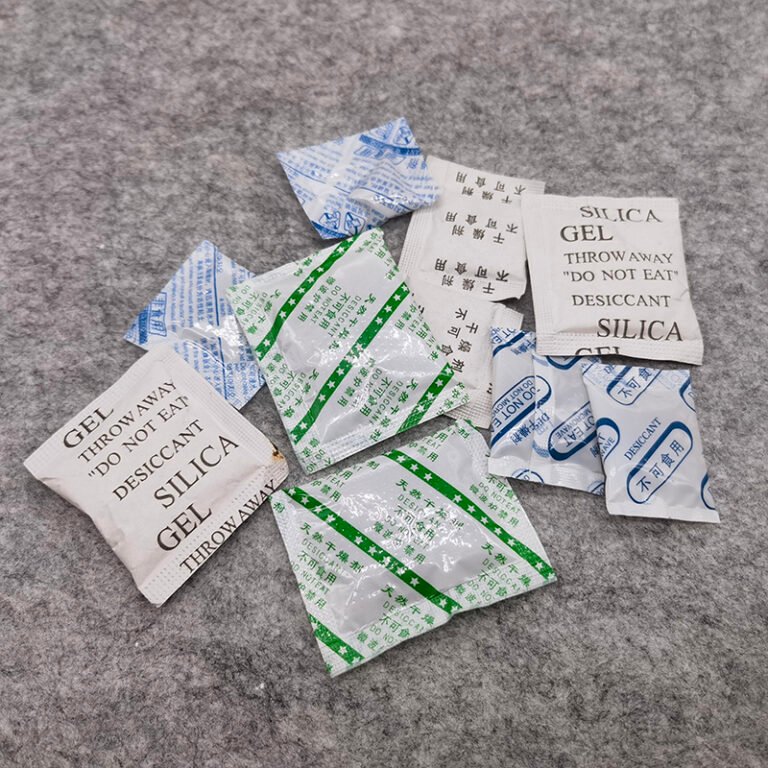
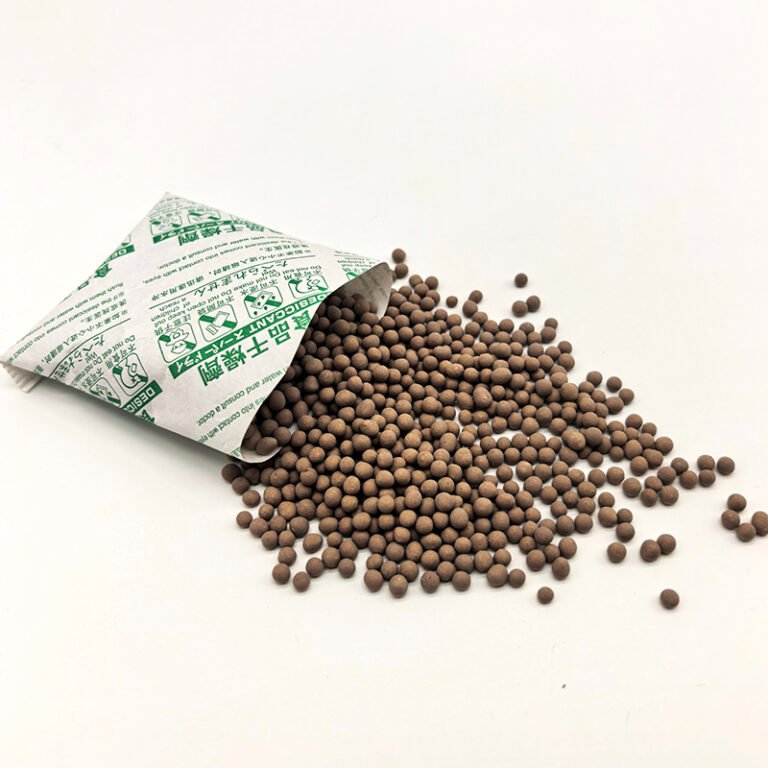
clay desiccant As someone who has spent years living in humid environments, I’ve seen firsthand how damaging excess moisture can be—not just to everyday items, but especially to electronics and food products. For businesses, that means rusted components, short-circuited devices, and compromised product quality. The solution? A reliable desiccant.
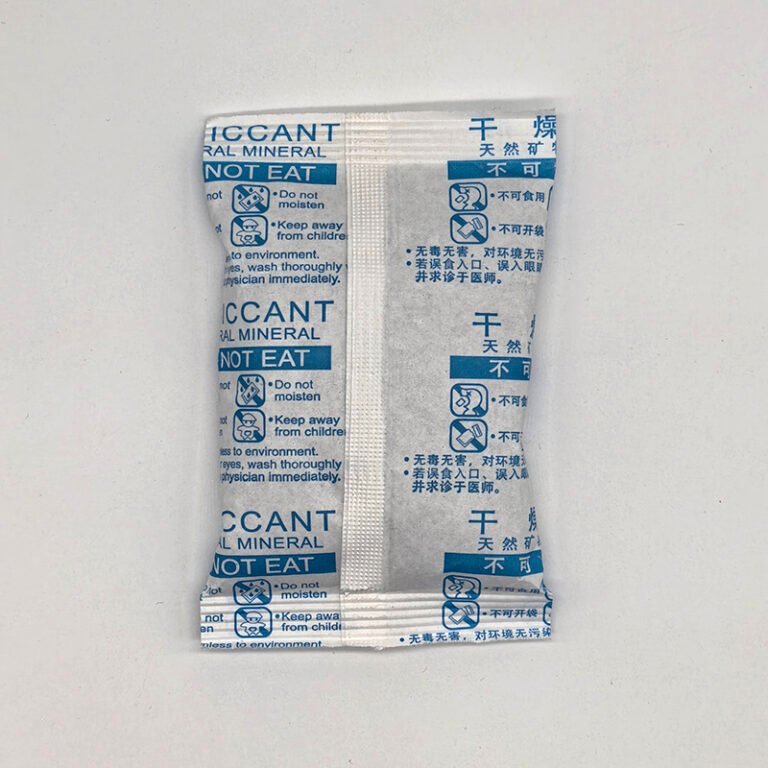
If you’re in the semiconductor or electronics industry, choosing the right moisture absorber is critical. So, what’s the best option for industrial use? At Mutun Mining Products, we’ve developed a lightweight clay desiccant that checks all the boxes.
Why Clay Desiccants Are the Go-To Choice for Electronics;
During the production, storage, and transport of sensitive electronic components—like semiconductors, PCBs, and connectors—humidity control isn’t optional. It’s essential. Excess moisture can lead to corrosion, oxidation, and electrical failures that compromise performance and reliability.
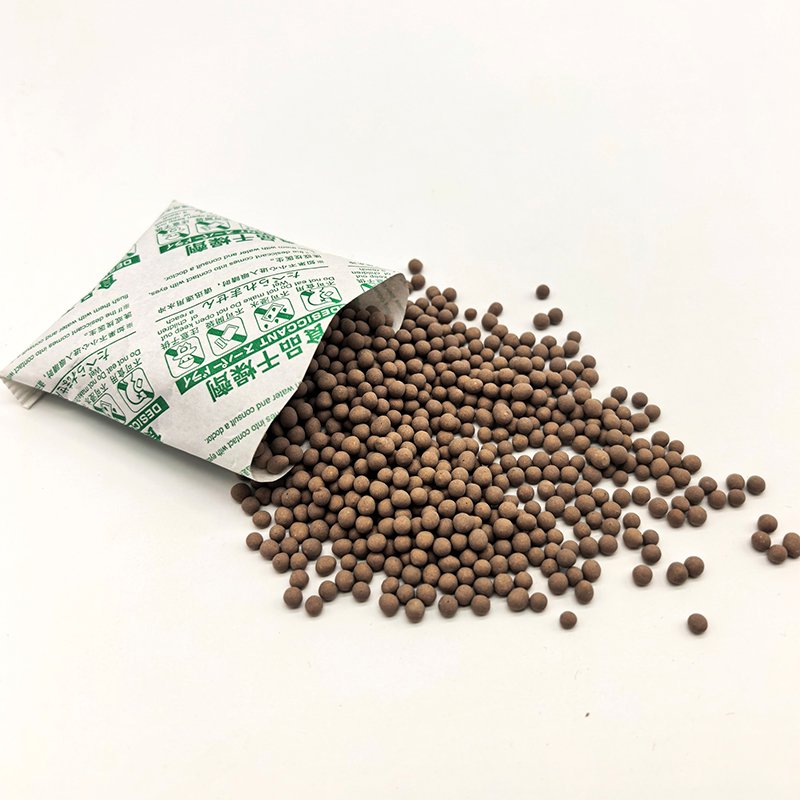
Clay desiccants, made primarily from natural montmorillonite, offer a range of advantages that make them ideal for protecting electronics:
Consistent moisture absorption;
Clay desiccants perform reliably across a wide range of temperatures, absorbing moisture efficiently and helping maintain stable humidity levels inside sealed packaging.
Non-corrosive and safe;
They won’t react with metals or other materials (except strong alkalis and hydrofluoric acid). Even when in direct contact with sensitive components, clay desiccants cause no corrosion, scratches, or damage. They meet both U.S. military standards (MIL-D-3464E) and Chinese national standards (GJB2714-96).
Dust-free;
Electronics are highly vulnerable to fine particles. Clay desiccant granules are mechanically strong and resist crumbling, so they won’t shed dust that could contaminate connectors, circuit boards, or other precision parts.
FDA-certified for safety;
As a natural mineral, clay desiccant is nontoxic and safe enough for direct contact with food and pharmaceuticals, per FDA certification. That makes it one of the safest options available.
The amount of desiccant used?
The right amount depends on your packaging volume, sealing method, and the ambient humidity. Here’s a practical guide for common scenarios in electronics:
Space Size / Application Recommended Desiccant Amount
Small components (sensors, ICs) 1–5 g
Mobile phones or similar devices 10–20 g
Larger equipment (printers, etc.) 30–50 g
Moving boxes, small storage units 100 g or more
For precise needs, it’s always a good idea to test and adjust based on your specific packaging and environment.
The Bottom Line
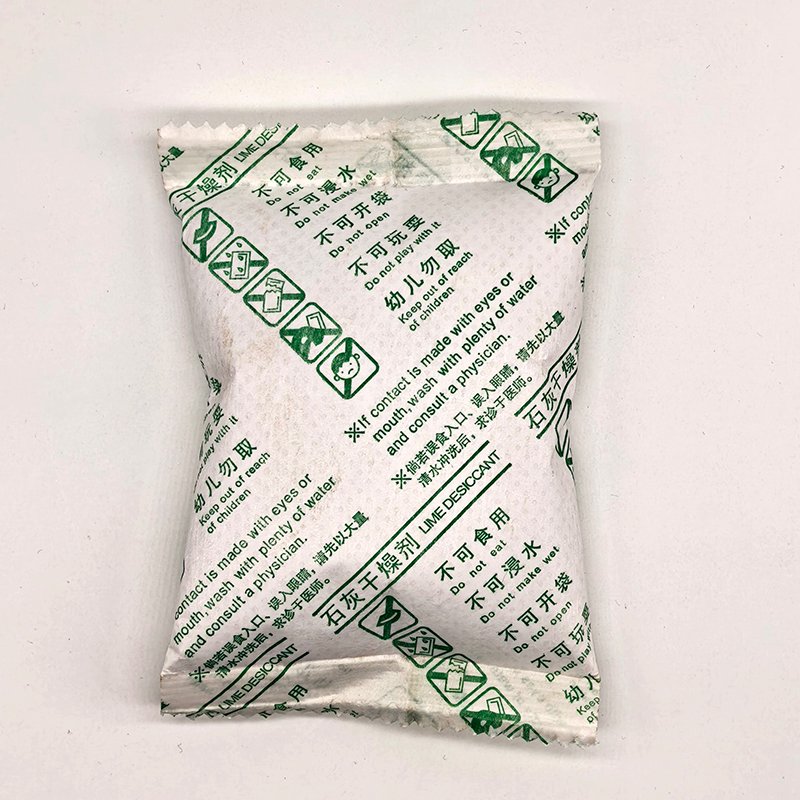
Let’s summarize;
Whether you’re packaging semiconductors, storing circuit boards, or shipping precision components, consistent humidity control is key to maintaining product integrity. Clay desiccants offer a proven, safe, and cost-effective solution—delivering stable performance without corrosion, dust, or environmental concerns.
That’s why Mutun Mining Products’ clay desiccants have become a trusted tool in industrial packaging and shipping. From small electronics to large-scale storage, they’re the professional’s choice for moisture protection.