What are the five common types of natural desiccants?G035
The Ultimate Guide to natural Desiccants: The Preferred Solution for Moisture Protection;
Whether in daily life or industrial production, natural desiccants are lifesavers that prevent items from moisture damage.
What are the five common types of natural desiccants?
1.Clay desiccant: The King of Moisture Absorption Speed;
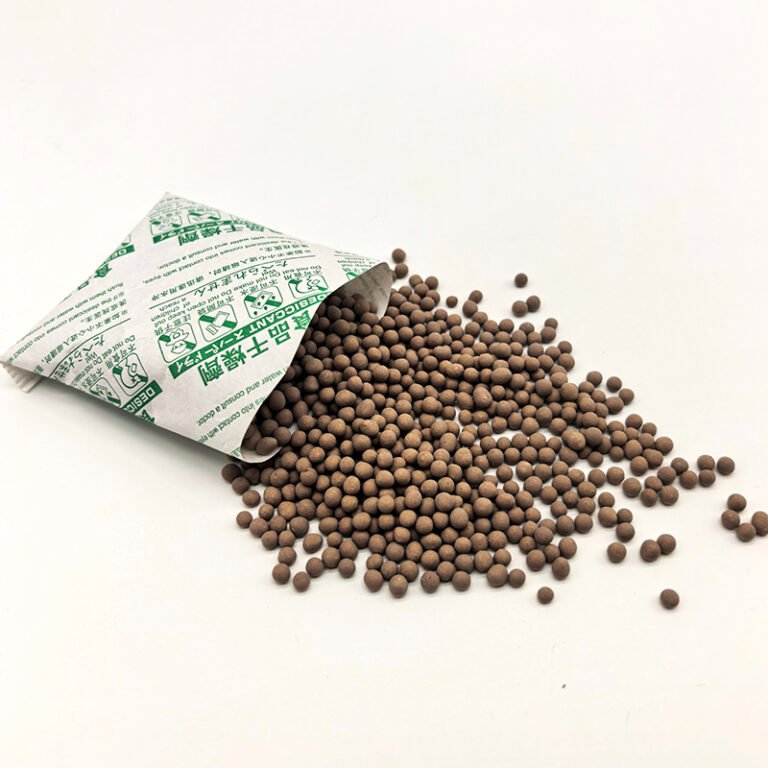
Mutun Minerals’ clay desiccant is primarily made from clay, requiring a series of processes including drying and activation to form.
Appearing grayish-white or pale yellow, it can be produced in powder or granular forms.
Its outstanding properties lie in its remarkable adsorption speed and exceptional moisture absorption capacity. Not only is it non-toxic, odorless, and non-corrosive, but it also efficiently adsorbs moisture from both gases and liquids.
Thanks to these exceptional characteristics, clay desiccant has become a popular choice for drying precision instruments, electronics, food, and various commodities, providing reliable and long-lasting moisture protection.
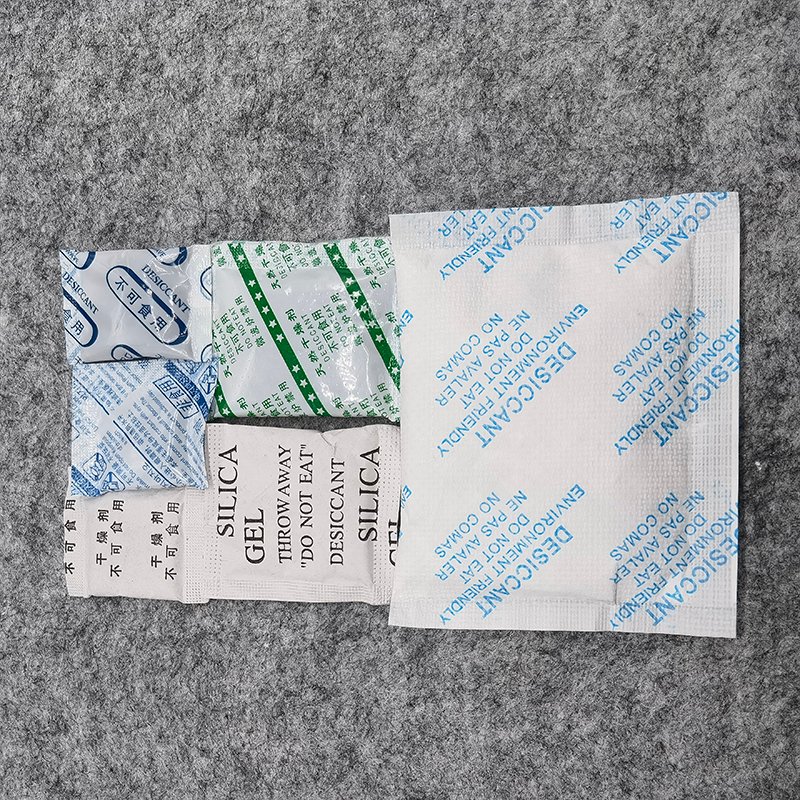
2.Plant fiber desiccant: Eco-Friendly and Ultra-Absorbent;
Mouton Minerals’ plant fiber desiccant is meticulously refined from pure natural plant fibers through specialized processes.
Typically appearing in sheet or strip forms, its soft texture allows for easy custom cutting as needed.
It boasts powerful and exceptional moisture absorption while being environmentally friendly, non-polluting, and naturally biodegradable.
The moisture absorption performance of plant fiber desiccant rivals that of silica gel desiccants. Even more commendable, they produce no dust during use, making them a highly eco-friendly choice.
Therefore, they are widely used to protect clothing, footwear, leather goods, and electronics from moisture damage, ensuring items remain in optimal condition..
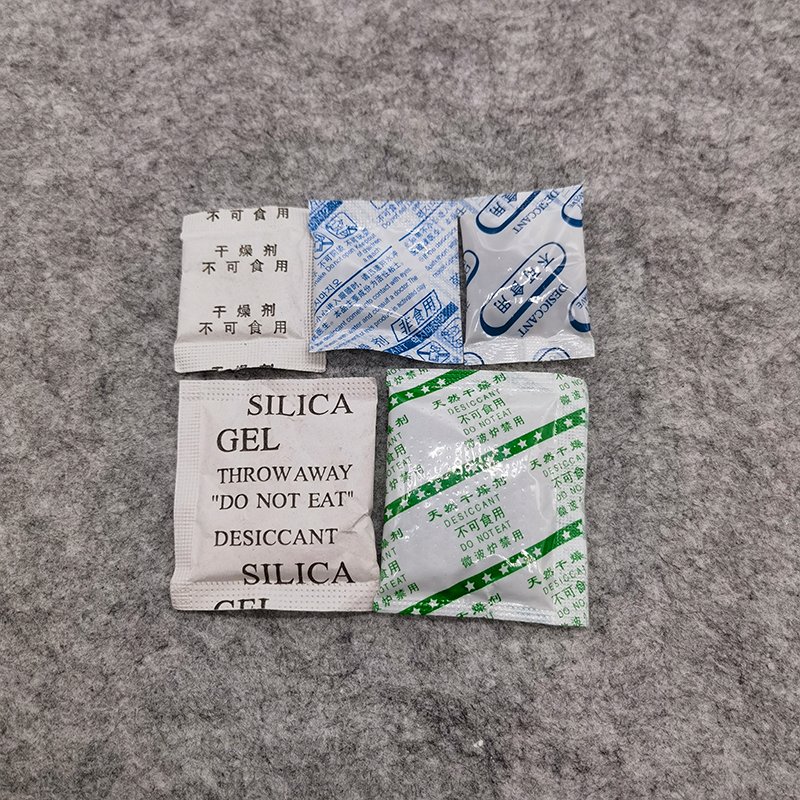
3.Diatomaceous Earth Desiccant: Long-Lasting Moisture Barrier;
Mutun Minerals Diatomaceous Earth Desiccant is crafted from natural diatomaceous earth through a specialized process.
Its white, light gray, or pale yellow spherical granules feature a highly porous structure that delivers exceptional moisture absorption.
Beyond absorbing atmospheric humidity, Diatomaceous Earth Desiccant effectively prevents mold growth, moisture intrusion, and odor formation.
Its structure remains stable and durable over time, resisting deformation or degradation—making it ideal for long-term moisture protection or low-temperature storage scenarios.
Common applications include moisture protection for electronics, footwear, apparel, jewelry, food products, and more, delivering long-lasting humidity defense.
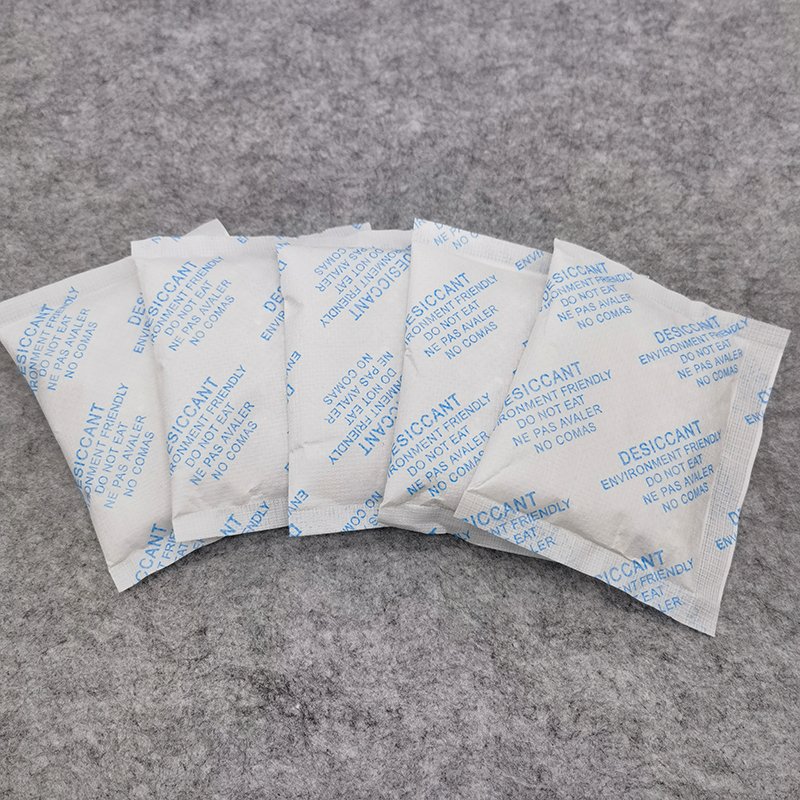
4.Activated carbon desiccant: The Multifunctional Dehumidifying and Deodorizing Expert;
Moutun Mineral’s activated carbon desiccant is typically crafted from carbon-based materials like wood chips, fruit shells, or coconut shells. These raw materials undergo high-temperature activation and calcination processes to form highly efficient drying agents.
They appear as grayish-black spherical or irregular granules, with particle sizes customizable to requirements. This desiccant boasts exceptional moisture-trapping capabilities and superior adsorption properties.
After activation, it efficiently absorbs odors and harmful gases from the air while simultaneously reducing ambient humidity.
The porous structure of activated carbon desiccant creates an expansive adsorption surface, enabling it to absorb several times its own weight in moisture and gases.
Premium activated carbon desiccants boast a long service life, maintaining stable adsorption performance over extended periods.
Ideal for enclosed spaces like wardrobes, shoe cabinets, medicine cabinets, and bookshelves, activated carbon desiccants effectively prevent stored items such as clothing and books from dampness and mold.
Whether protecting personal belongings at home or ensuring industrial product quality, these natural desiccants meet your needs. Choose the desiccant best suited to your requirements and say goodbye to humidity worries!